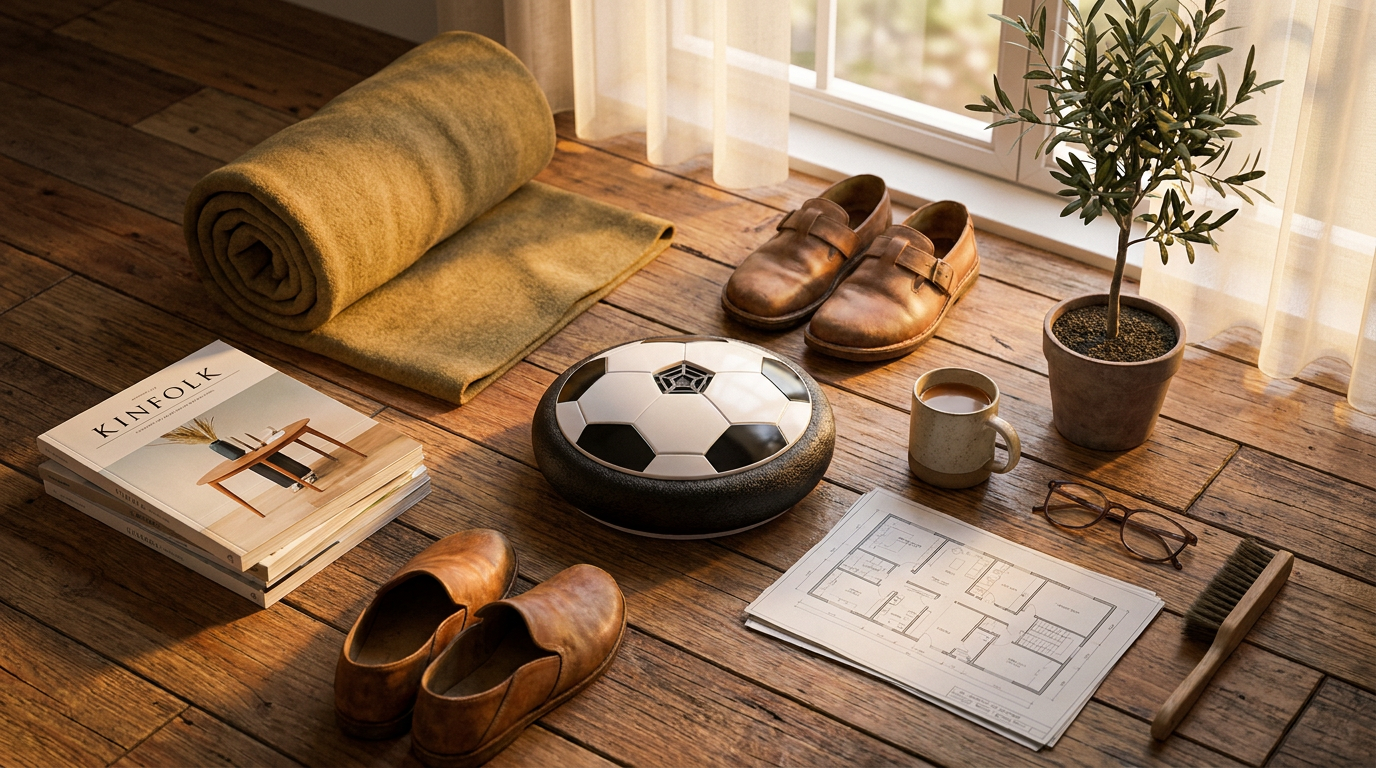
Protecting Hardwood Surfaces With Glide Soccer Technology
 Priya RamanSenior Analyst
July 23, 2026. Selecting a soccer ball for hardwood floors requires balancing surface preservation with athletic response. This analysis assists homeowners and athletes in maintaining high-performance play without compromising the integrity of interior flooring.
Two axes matter here: surface friction and impact force. When evaluating equipment for finished wood, think of it as a matrix of material density and kinetic transfer. Traditional outdoor balls utilize hard synthetic leathers like polyurethane (PU) or polyvinyl chloride (PVC), which are designed for grass and turf. On a polyurethane-coated hardwood floor, these materials lack the necessary grip and can leave scuff marks or micro-abrasions upon high-velocity impact. According to Soccer.com, most indoor-specific balls are instead crafted with a felt or textured cover to provide grip and reduce rebound, making them far more suitable for gym floors, hardwood, or basement settings. This material shift is essential because a standard ball’s high bounce rate in a confined space increases the risk of hitting fragile household items. Furthermore, the lack of "give" in a standard ball means the floor absorbs 100% of the impact energy, which can lead to denting over time if the wood species is soft, such as pine or cherry.
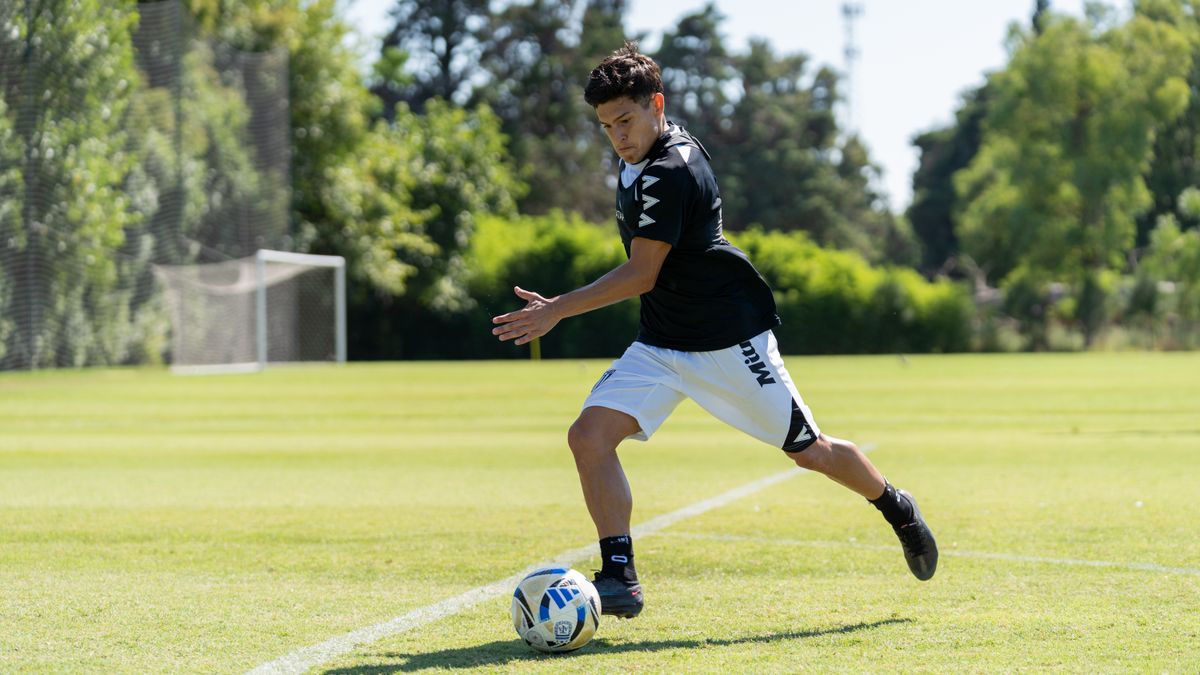
Photo by Franco Monsalvo on Pexels
Glide Soccer addresses these physical challenges by shifting the mechanical burden from the floor to the equipment itself. While traditional solutions like the FORZA Indoor Soccer Ball use a robust outer layer to withstand hard surfaces, Glide Soccer utilizes air-cushioning and foam interfaces to mitigate impact. This technology is particularly relevant when considering the soft foam bumper soccer ball, which incorporates a perimeter of high-density foam to act as a shock absorber. This design ensures that lateral collisions with baseboards or furniture legs do not result in structural damage. For those seeking even higher levels of floor safety, the indoor soccer disc provides a low-profile alternative that stays grounded, reducing the frequency of airborne impacts that threaten light fixtures or windows. The Glide Soccer engineering philosophy focuses on a low-friction base that allows the unit to travel across laminate and wood without the dragging effect of rubberized bladders. This is a significant departure from felt-covered balls, which, while safe, can eventually accumulate dust and debris, turning the ball into a mild abrasive. By utilizing a hover mechanism, the floating soccer ball with LED lights creates a thin curtain of air, effectively decoupling the ball from the floor surface entirely.
Once you see it this way, the selection process becomes a matter of matching the equipment to the specific room volume and floor finish. The decision rule: If the play area is a high-traffic living space with finished hardwood, prioritize air-hover technology; if the space is a dedicated basement or gym with laminate, a specialized felt or foam-encased ball is acceptable. To ensure the longevity of your interior surfaces, follow this decision framework:
- Verify the outer material is non-marking foam or high-grade felt rather than raw PVC.
- Assess the rebound dampening to ensure the ball does not exceed a 30% return height on hard impacts.
- Choose equipment with a protective perimeter, such as a foam bumper, to shield furniture.
- Select a weight-to-volume ratio that prevents the ball from becoming a high-velocity projectile in small rooms.
- Ensure the base material is compatible with the specific floor sealant to prevent chemical staining or scuffing.