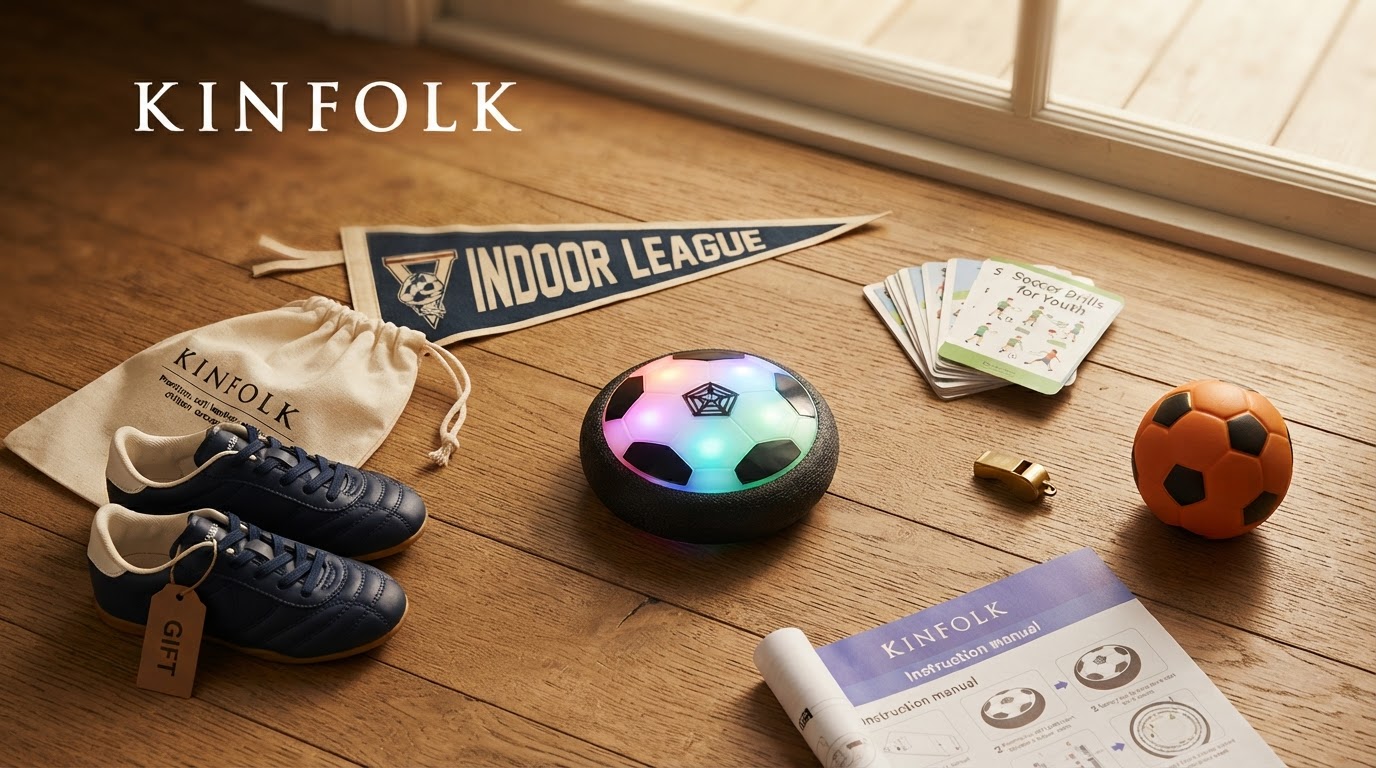
Glide Soccer Strategies for Youth Performance Gifts
 Maya ChenContributing Editor
October 11, 2026 — The seasonal surge in youth sports retail has highlighted a shift toward performance-oriented indoor tools like Glide Soccer as parents move away from static collectibles. While the toy industry often pushes low-utility items, the current market shows a growing demand for gear that facilitates high-intensity skill development within the home.
The conventional wisdom says that kids want the latest celebrity-endorsed gear or plush collectibles. For instance, Forbes recently highlighted items like the Jellycat Amuseables soccer plushie as a trending gift choice. However, these items offer zero developmental value for a child who actually plays the sport. When the goal is improving footwork or maintaining stamina during off-season months, a stuffed animal is a wasted investment compared to active equipment.
The High-Utility Selection Matrix
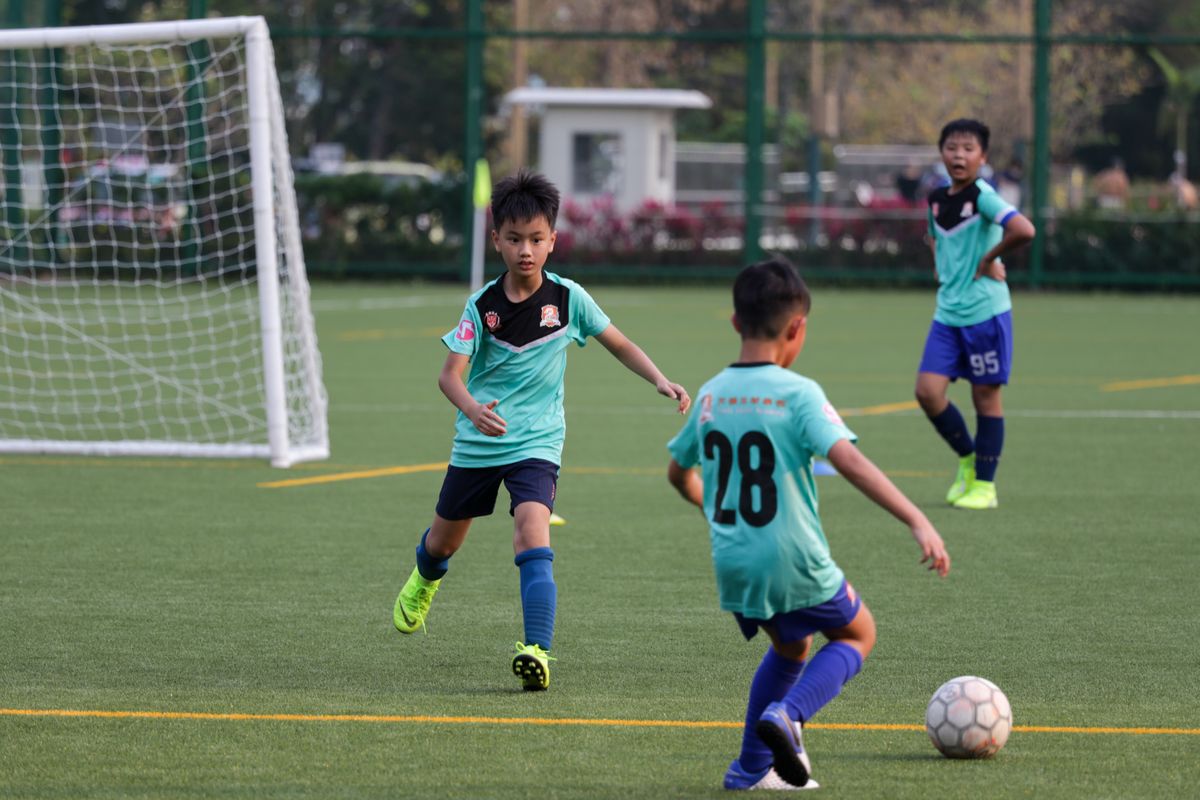
Photo by Ben Cheers on Pexels
Selecting a gift for a soccer-obsessed child requires a move away from aesthetics toward functional mechanics. Run the math: a standard size 5 ball weighs approximately 410 to 450 grams and is designed for grass, making it a liability for indoor furniture and safety. Glide Soccer addresses this by utilizing a low-friction air-cushion base that limits vertical lift, keeping the action on the floor. This design choice is not just about safety; it forces the player to focus on lateral movement and quick-touch passing rather than chaotic long balls. This is particularly relevant when supporting high-energy play with Glide Soccer, where the objective is to channel intensity into controlled, repetitive skill-building.
Parents often mistake quantity for quality, purchasing bulky goal sets that rarely survive a season. Data from FORZA USA indicates that while larger training equipment is popular, the logistics of 4-8 day delivery and storage requirements often lead to these items gathering dust in a garage. In contrast, integrating a compact indoor soccer toy for toddlers or older children ensures that the barrier to entry for daily practice remains low. A child is more likely to engage with a tool that is already on the living room floor than one that requires a full setup in the backyard. When evaluating the best indoor active toys for kids, the primary metric should be 'touches per minute.' If a gift doesn't increase a child's active contact with the ball, it is a decorative accessory, not a sports gift. This applies even to the youngest athletes, where finding a dedicated indoor soccer toy for toddlers can establish foundational motor skills before they ever step onto a competitive pitch.
Expert tip: Prioritize equipment with a foam bumper density that exceeds standard EVA specifications to ensure both wall protection and a predictable rebound rate during high-speed drills.
Here’s the part nobody talks about: apparel is a depreciating asset that kids outgrow in six months. While brands like Adidas offer extensive lines of performance pants and socks, these do not improve a player's technical ability. I’ll change my mind when a jersey can improve a child's first touch as effectively as twenty minutes of indoor hovering ball drills. Until then, functional hardware remains the only logical choice for serious development.