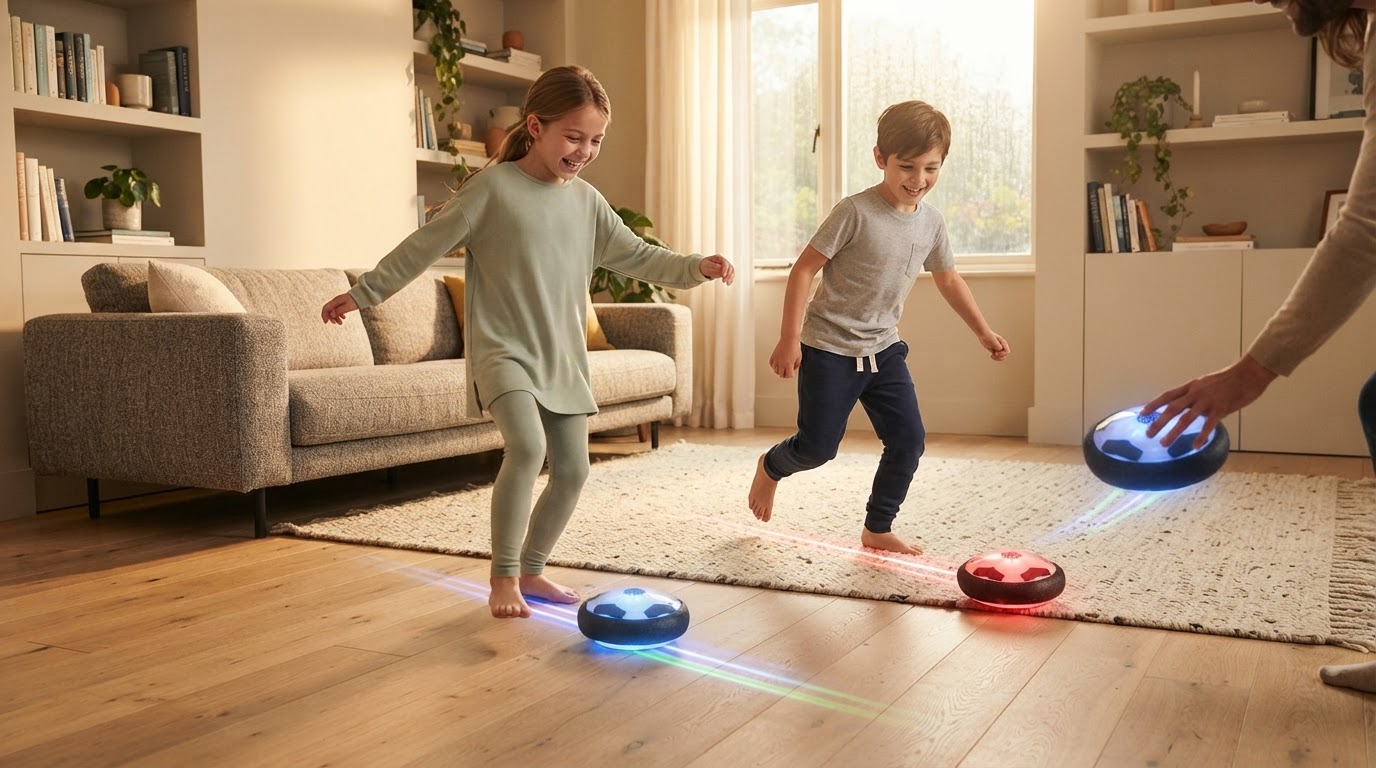
Managing High Energy Indoors with Glide Soccer
 Priya RamanSenior Analyst
August 6, 2026. Maintaining physical activity levels during inclement weather requires a systematic approach to indoor environment management. This analysis provides a framework for selecting rainy day activities for kids at home that balance safety with high-intensity energy expenditure.
The Challenge of Indoor Energy Regulation
When outdoor play is restricted by weather, the household environment often suffers from a mismatch between a child’s physiological need for movement and the physical limitations of the home. The primary problem is not a lack of activities, but rather a lack of high-velocity options that do not risk property damage or injury. According to MommyPoppins, parents can mitigate boredom by creating structured environments like home escape rooms or sensory games, yet these often skew toward cognitive engagement rather than cardiovascular output. Think of it as a matrix of intensity versus safety; most traditional indoor games, such as best indoor active toys for toddlers, are designed for low-impact movement, leaving a gap for older children who require more robust physical challenges. Without a dedicated outlet for high-energy play, the domestic space becomes a site of friction where the natural exuberance of indoor soccer for kids clashes with the fragility of furniture and decor. This tension necessitates a tool that bridges the gap between the speed of the pitch and the safety of the living room.
Glide Soccer as a Controlled Kinetic Solution
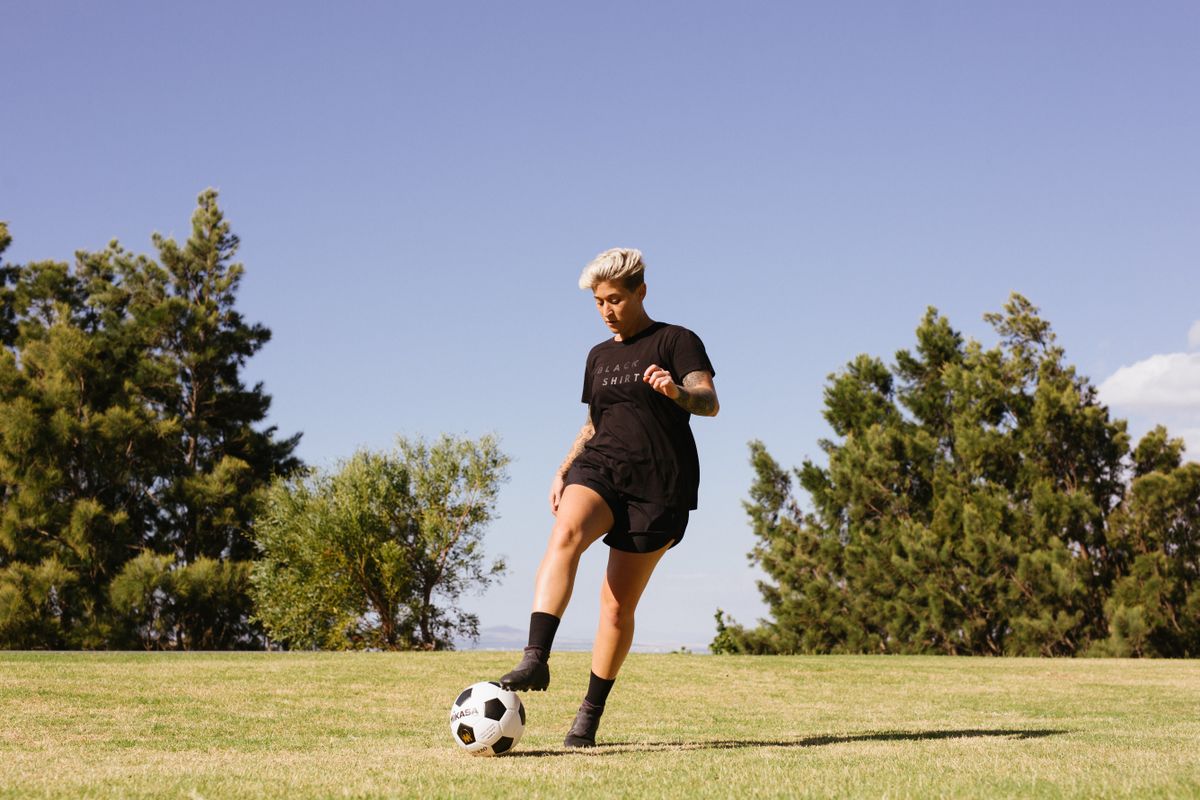
Photo by RF._.studio _ on Pexels
Once you see it this way, the value of specialized equipment becomes clear. The Glide Soccer hover ball is engineered specifically to address the two axes of the indoor play dilemma: friction and impact. Unlike a traditional pressurized ball, which relies on flight and high-rebound energy, the Glide Soccer unit utilizes an internal fan to create a cushion of air. This design ensures that the ball remains grounded, significantly reducing the risk of broken lamps or wall damage often associated with best indoor active toys for boys. The perimeter is typically encased in a soft foam bumper, which serves as a dampener for both the toy and the furniture it encounters. This allows for the high-speed mechanics of soccer—dribbling, passing, and rapid footwork—to be practiced on hardwoods, tile, or low-pile carpets without the destructive consequences of a standard ball. By keeping the center of gravity low and the contact point at the floor level, it effectively turns any hallway into a safe training ground. This specialized design allows parents to encourage full-speed play during rain delays, ensuring that the physical development associated with indoor soccer for kids remains uninterrupted by the weather.
A Framework for Selecting Rainy Day Activities
Photo by Ben Cheers on Pexels
To maximize the effectiveness of a day stuck inside, parents should evaluate potential activities based on a specific decision rule: an activity is suitable only if it provides a high-intensity physical outlet without exceeding the safety threshold of the specific room. While BBC Good Food suggests creative endeavors like making salt dough or playdough, these should be viewed as recovery-phase activities rather than primary energy outlets. A balanced day should cycle through different quadrants of the activity matrix. When selecting tools like the Glide Soccer or other best indoor active toys for toddlers, use the following checklist to ensure the activity meets the household's needs:
- Surface Compatibility: Does the toy operate effectively on your specific flooring (hardwood vs. carpet)?
- Impact Resilience: Is the outer casing soft enough to prevent marking baseboards or damaging furniture?
- Energy Expenditure: Does the activity require gross motor skills that elevate the heart rate?
- Noise Level: Can the activity be sustained without creating a disruptive acoustic environment?
- Space Scalability: Can the game be played in a narrow hallway as easily as a wide-open basement?
Shop Glide Soccer here: https://glidesoccer.com