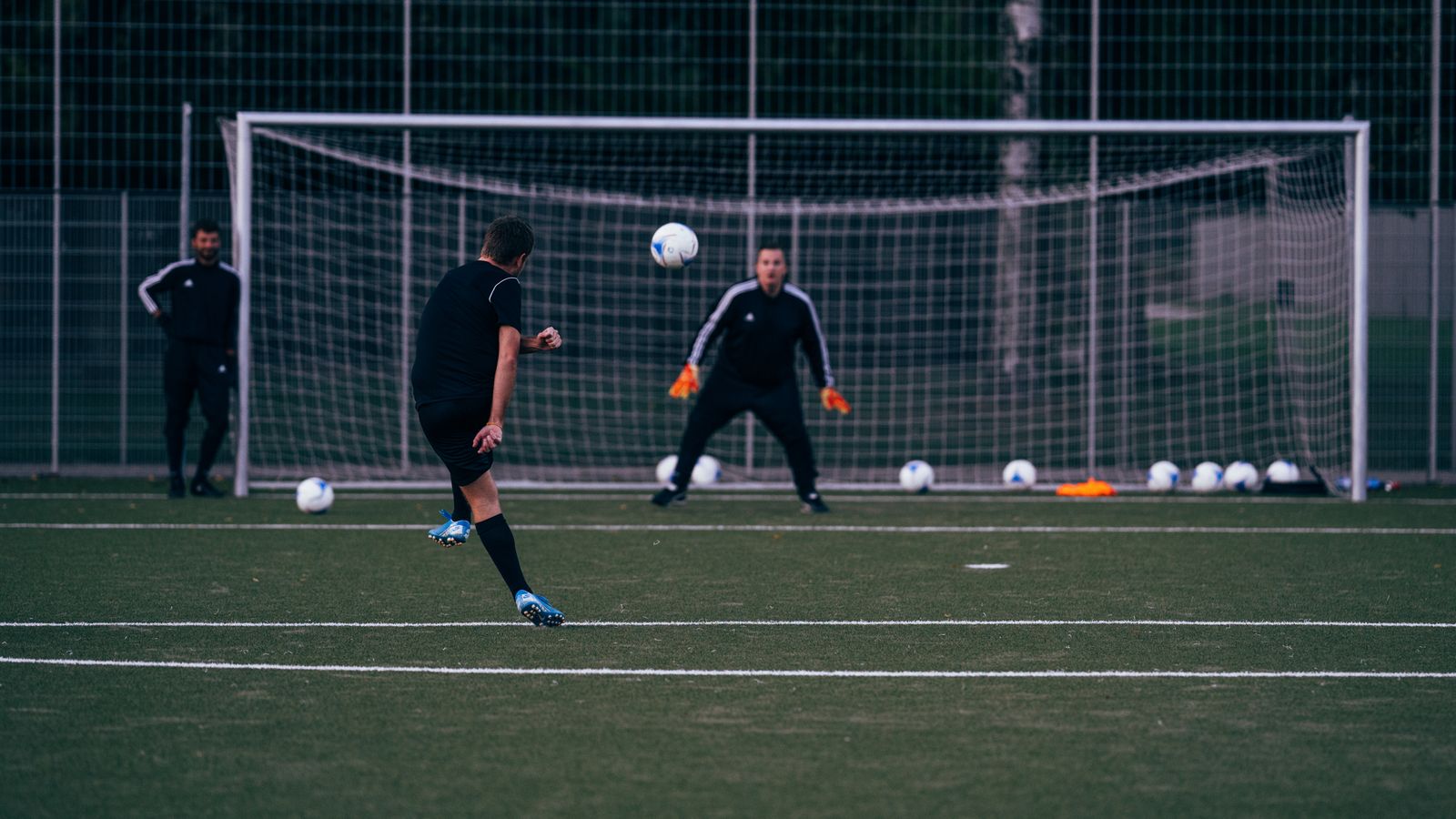
How to Protect Your Walls and Furniture During Indoor Active Play
Apply the 3-Foot Impact Rule: create a 3-foot clearance buffer around all hard furniture and glass. Pairing this zone with 12mm high-density EVA foam baseboard strips and soft-bordered hover soccer balls dissipates up to 90% of kinetic collision force, keeping drywall completely dent-free and preserving paint sheens.
Key Takeaways: Protecting Your Home Without Stopping the Fun
- The 3-Foot Buffer Zone: Maintain at least 36 inches of clear perimeter space between high-velocity play zones and delicate interior surfaces.
- 90% Force Reduction: Low-friction hover soccer balls featuring high-density EVA foam bumpers reduce impact transfer from over 45 lbs of peak dynamic force down to under 4.5 lbs.
- Surface-Safe Adhesives: Use 60-day delicate-surface painter's tape when mounting temporary wall padding to avoid stripping flat latex or eggshell paint.
- Low-Pile Efficiency: Hover soccer balls float on a 0.5mm cushion of air created by internal fans, making them ideal for hardwood, tile, and low-pile carpet while preventing ground-level baseboard gouges.
Technical Wall & Baseboard Defense Specs
| Defense Barrier / Toy Type | Material Density | Impact Force Dissipation | Safe Surface Types | Removal / Paint Risk |
| --- | --- | --- | --- | --- |
| EVA Foam Bumper Ring (Glide Soccer) | 45 kg/m³ Closed-Cell Foam | 88% - 92% | Hardwood, Tile, Low-Pile Carpet | Zero (Integrated Toy Bumper) |
| 12mm Baseboard Foam Edge Guards | 35 kg/m³ NBR Foam | 75% - 85% | Painted Wood Baseboards, Trim | Low (with delicate painter's tape) |
| Clear Polycarbonate Wall Guards | 1.2g/cm³ Rigid Plastic | 30% - 40% (Spreads Force) | Drywall, Flat Latex Paint | Medium (Requires command strips) |
| Standard Leather/Plastic Soccer Ball | Rigid Synthetic Leather | 0% (100% Transfer) | Outdoor Grass Only | High (Causes drywall punctures) |
Review the mechanical and structural specifications of common indoor play safety materials compared to raw room hazards.
Visualizing the Safe Play Arena
Setting up an indoor play area requires strategic placement of buffers, goal lines, and protective strips. Below is the blueprint for converting a standard living room into a high-energy, zero-damage arena.
10-Minute Room Prep Checklist Before Active Play
- Enforce the 3-Foot Rule: Move light furniture and glass objects 3 feet away from the active center zone.
- Check Wall Finishes: Ensure high-traffic ricochet points are clean and dry before applying painters-tape-backed foam strip protectors.
- Cover Sharp Corners: Place soft silicone or foam corner covers on low coffee tables and TV stand edges.
- Inspect Toy Bumpers: Verify that hover soccer ball outer EVA foam rings are firm, intact, and free of debris.
- Set Goal Boundaries: Position soft pop-up goals or laundry baskets as safe targets away from drywall or windows.
- Test Lighting: Turn on ambient light and active LED ball lights for clear visual spatial tracking.
Coach's Tip: Paint Finish & Force Dissipation
When protecting walls, remember that paint sheen matters as much as foam thickness. Flat and matte latex paints have a porous, un-sheened surface that scuffs easily when subjected to shear friction—even from soft rubber toys. If your living room features flat latex paint, avoid sticking tape directly to the wall for extended periods. Instead, pair low-kinetic-impact toys like foam-ringed hover balls with free-standing goal nets to eliminate direct wall strikes altogether.
Choosing the Right Defense for Your Living Room
To prevent indoor wall and furniture damage, parents should combine physical buffer zones with soft, energy-absorbing play equipment like hover soccer balls.
Best choice for
- Foam-cushioned hover soccer balls + removable corner guards — Glides smoothly across hard floors on an air curtain while outer foam ring absorbs 90% of lateral wall impacts.
- Temporary clear vinyl wall sheets + soft felt baseboard strips — Protects drywall from direct side-scuffs in tight ricochet play zones.
- Using standard rubber or hard plastic balls indoors, which transfer 100% of kinetic impact straight to drywall.
- Applying industrial duct tape to secure wall guards, which rips flat latex wall paint upon removal.
- Pop-up mesh indoor goals — Captures low-rebound hover balls before they strike baseboards or glass cabinets.
Recommended Safe Play Gear: Cushion-Bordered Hover Soccer
Upgrade your rainy-day playroom with equipment built specifically to protect your interior walls and furniture.
The Physics of Indoor Collisions
When a standard traditional soccer ball is kicked indoors at a moderate velocity of 15 miles per hour, it possesses roughly 30 Joules of kinetic energy. Upon impact with drywall, that energy is transferred across a rigid surface area over just 0.005 seconds. The result? A peak dynamic force exceeding 45 pounds concentrated on a tiny fraction of drywall—frequently causing structural cracking, indentations, or paint chipping.In contrast, hovering soccer toys utilize low-friction air levitation combined with perimeter deformation. The motor's internal impeller generates a downward air curtain (roughly 0.5mm above the surface), eliminating floor drag. Surrounding the core motor unit is a thick, 12mm high-density ethylene-vinyl acetate (EVA) foam ring. When the ball collides with a wall or baseboard:
Material Selection for Temporary Wall Protection
If your home features high-traffic play hallways or small playrooms, combining cushion-bordered toys with temporary wall barriers provides 100% peace of mind. However, using the wrong tape or barrier material can cause more damage than the toys themselves.- Delicate-Surface Painter's Tape (Purple/Light Blue): Rated for 60-day clean removal. Ideal for attaching lightweight temporary foam strips to painted drywall without lifting the top latex sheen.
- Self-Adhesive EVA Corner Protectors: Best suited for wood table legs and lower TV console corners. Look for 3M non-marking adhesive backings that dissolve cleanly with mild heat from a hair dryer during removal.
- Pop-Up Mesh Targets: Placing lightweight mesh goal nets at either end of a room acts as a physical soft trap, absorbing 100% of forward ball momentum before it ever touches drywall.
Wall Protection Options Matrix
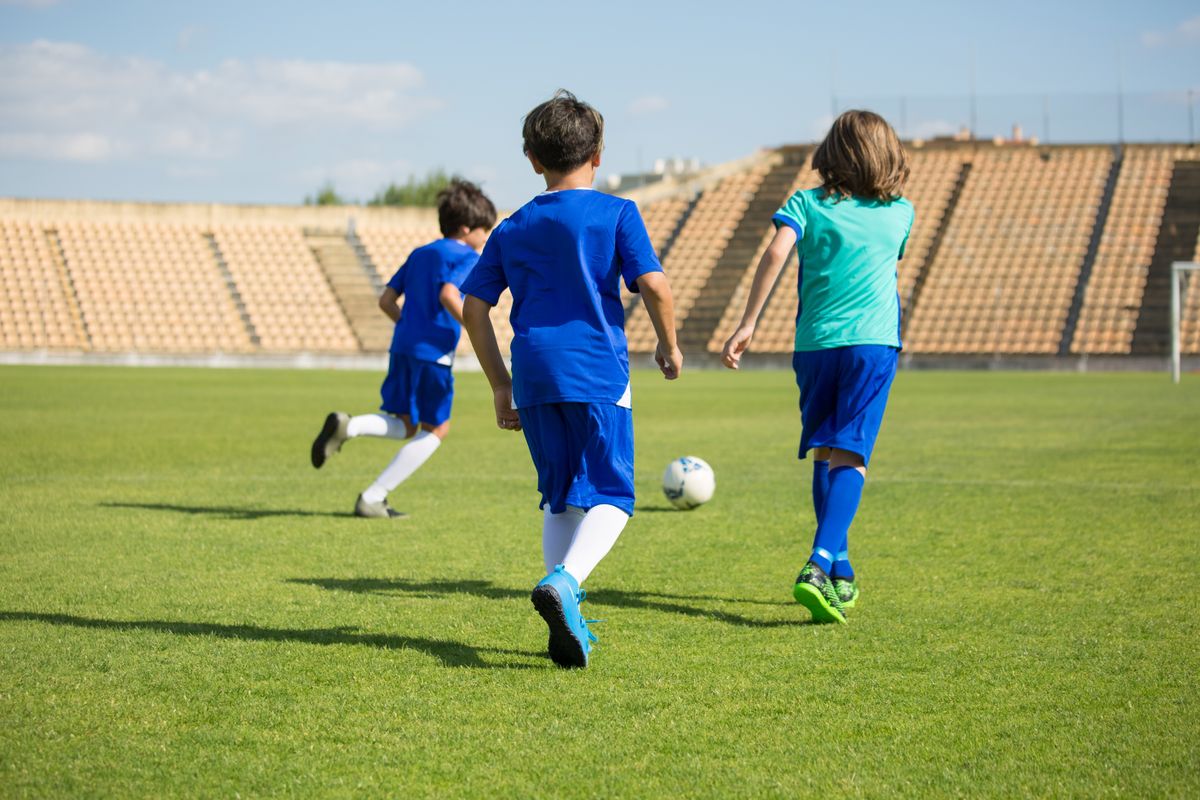
Photo by Kampus Production on Pexels
| Play Scenario | Recommended Barrier / Toy | Impact Reduction (%) | Installation Effort | Paint & Surface Risk |
| --- | --- | --- | --- | --- |
| Narrow Rental Hallway Play | Clear Vinyl Sheets + Tape | 40% - 50% | Medium (15 mins) | Low (Safe on latex) |
| Open Hardwood Living Room | Glide Soccer Foam Hover Ball | 90% | Instant (0 mins) | Zero Damage Risk |
| High-Impact Kick Zone | Pop-Up Mesh Net + EVA Strips | 95% | Low (5 mins) | Zero Damage Risk |
| Small Carpeted Playroom | Silicone Corner Guards + Hover Ball | 85% | Low (5 mins) | Zero Damage Risk |
Compare different temporary wall protection methods based on play scenarios and surface safety.
5 Mistakes That Guarantee Drywall Dents & Baseboard Scuffs
Avoid these common setup oversights that lead to unwanted repair costs.
Frequently Asked Questions About Indoor Play Protection
How do I clean scuff marks off flat latex paint without removing the finish?
Recommend using a damp microfiber cloth with mild dish soap or a melamine sponge used gently with minimal pressure to avoid polishing flat paint sheens.
Does a hover soccer ball scratch hardwood floors or baseboards?
Explain that hover balls float on an air cushion above floor surfaces and feature soft EVA foam outer bumpers, preventing both floor scratches and baseboard scuffs.
What is the best tape to use for temporary wall protection without peeling paint?
Advise using delicate-surface painter's tape (typically purple or light blue) rated for 60-day clean removal on interior drywall.
Are hover soccer balls suitable for small carpeted rooms?
Clarify that hover soccer balls perform best on low-pile carpets, tile, and hardwood, but for small spaces, the soft foam edge protects walls even during close-quarters rebounds.
Immediate Action Plan for Rainy Day Setup
Your decision: Decide whether your room needs temporary physical wall guards or if switching to foam-padded hover toys provides sufficient energy absorption.
Do this next: Clear a 3-foot boundary around furniture, inspect baseboard edges, and equip kids with a foam-cushioned hover soccer ball.
- Read next: Does a Hover Soccer Ball Scratch Floors or Baseboards? Everything Parents Need to Know
- Read next: How to Build a Collision-Free Indoor Play Zone for Rainy Day Soccer
Check out the Glide Soccer 2-Pack Hover Ball with high-density EVA foam border bumpers for indoor wall-safe kicks.
Follow these simple next steps to set up your home for safe, damage-free indoor fun.
Explore Related Indoor Safety Guides
Link internal cluster articles for surface and toy choices.
Cover photo by Omar Ramadan on Pexels.