How to Keep Kids Active Indoors: The Complete Parent Guide
How to Keep Kids Active Indoors: The Complete Parent Guide
Finding constructive ways to burn off endless toddler and youth energy inside the house can feel like an impossible challenge. Weather disruptions, limited living room space, and screen time temptations often prevent children from getting the physical exertion they require daily. Learning how to keep kids active indoors is essential for maintaining physical health, emotional balance, and family harmony.
Why Indoor Physical Activity Matters for Growing Kids
Daily movement is critical for motor skill development, emotional regulation, and spatial awareness in young children. When children are confined indoors without dynamic outlets, boredom often turns into restlessness. Engaging in structured and unstructured indoor movement helps children build core strength, balance, and coordination while supporting quality sleep patterns.
Providing movement options for kids in the RECOMMENDED_AGE_RANGE age group encourages healthy physical habits that extend well beyond bad-weather days. Physical exercise releases endorphins, reduces stress, and fosters cognitive focus, making indoor active play a vital pillar of early child development.
Essential Safety Measures for Indoor Active Play
Creating an indoor play area requires balancing fun with safety. Parents must audit the living room or playroom environment before initiating high-energy games.
- Clear the Floor: Remove loose rugs, sharp furniture corners, and breakable decor items.
- Define Boundaries: Designate a specific play zone spanning roughly FIELD_LENGTH_FEET in open space to prevent accidental collisions.
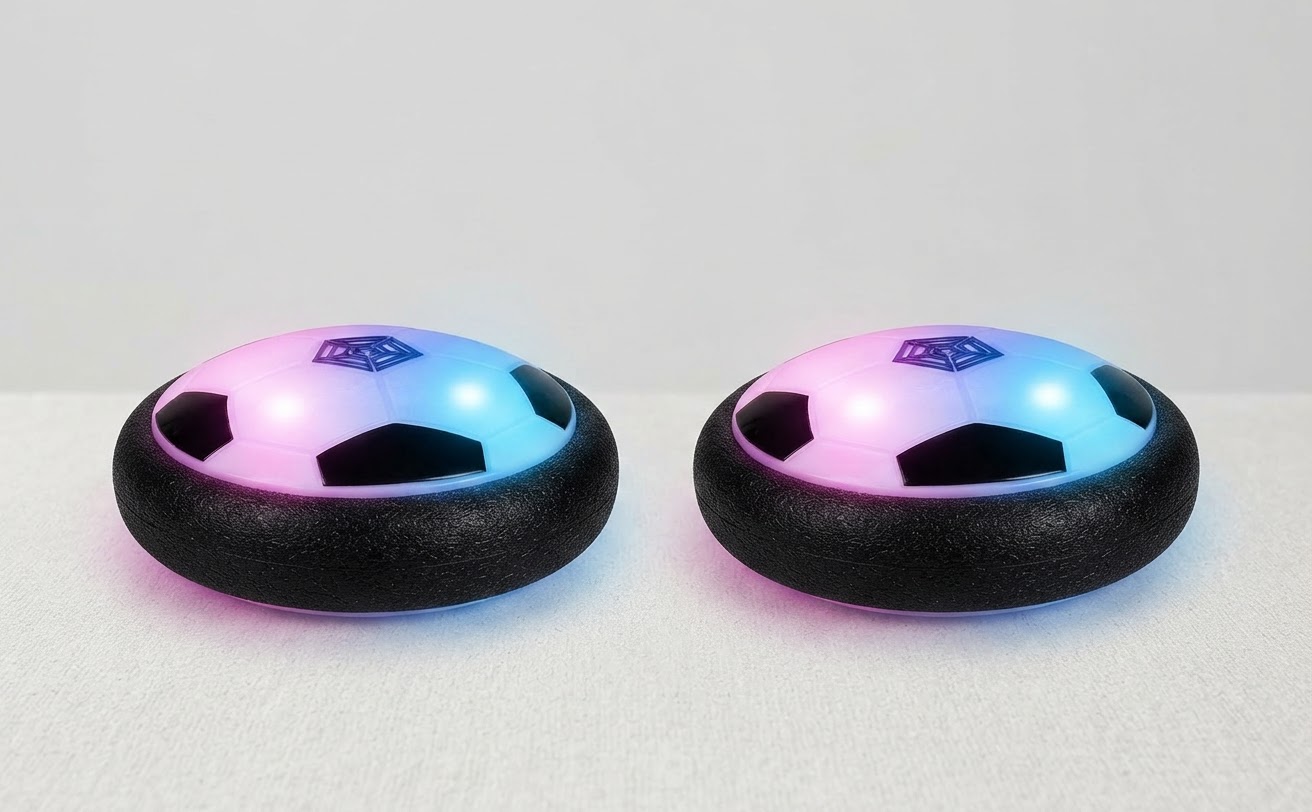
- Select Safe Equipment: Use soft, hover-enabled, or padded toys designed specifically for hard surfaces without damaging walls or furniture.
- Surface Preparation: Ensure games are played on MAX_GLIDE_SURFACE_AREA surfaces to ensure predictable movement and avoid trip hazards.
Top Indoor Games and Activities by Age Group
Different developmental stages require different play styles. Tailoring activities ensures engagement without unnecessary frustration:
Selecting the Best Indoor Sports Toys
Not all sports equipment translates well to indoor environments. Standard soccer balls or basketballs pose obvious risks to drywall, light fixtures, and household electronics. When choosing indoor sports toys like Glide Soccer, look for items engineered specifically for low-impact indoor entertainment.
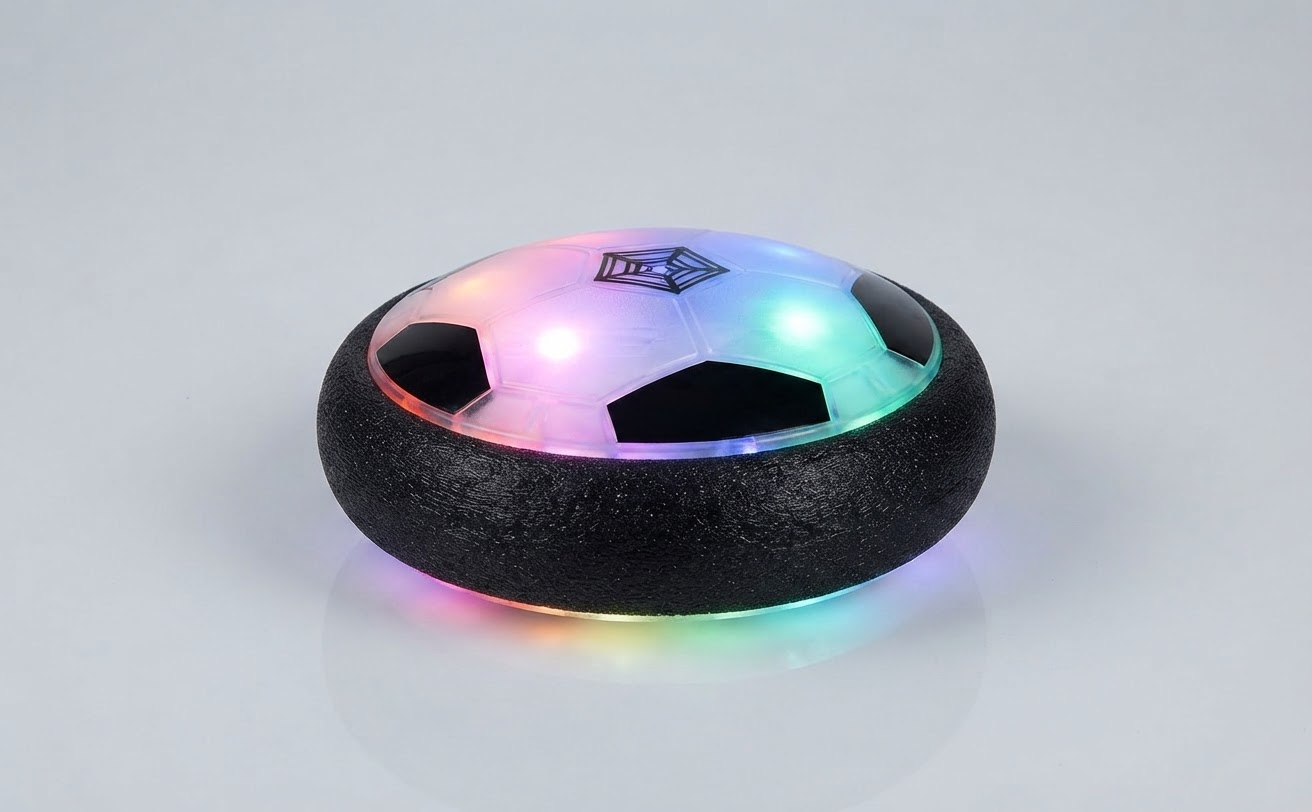
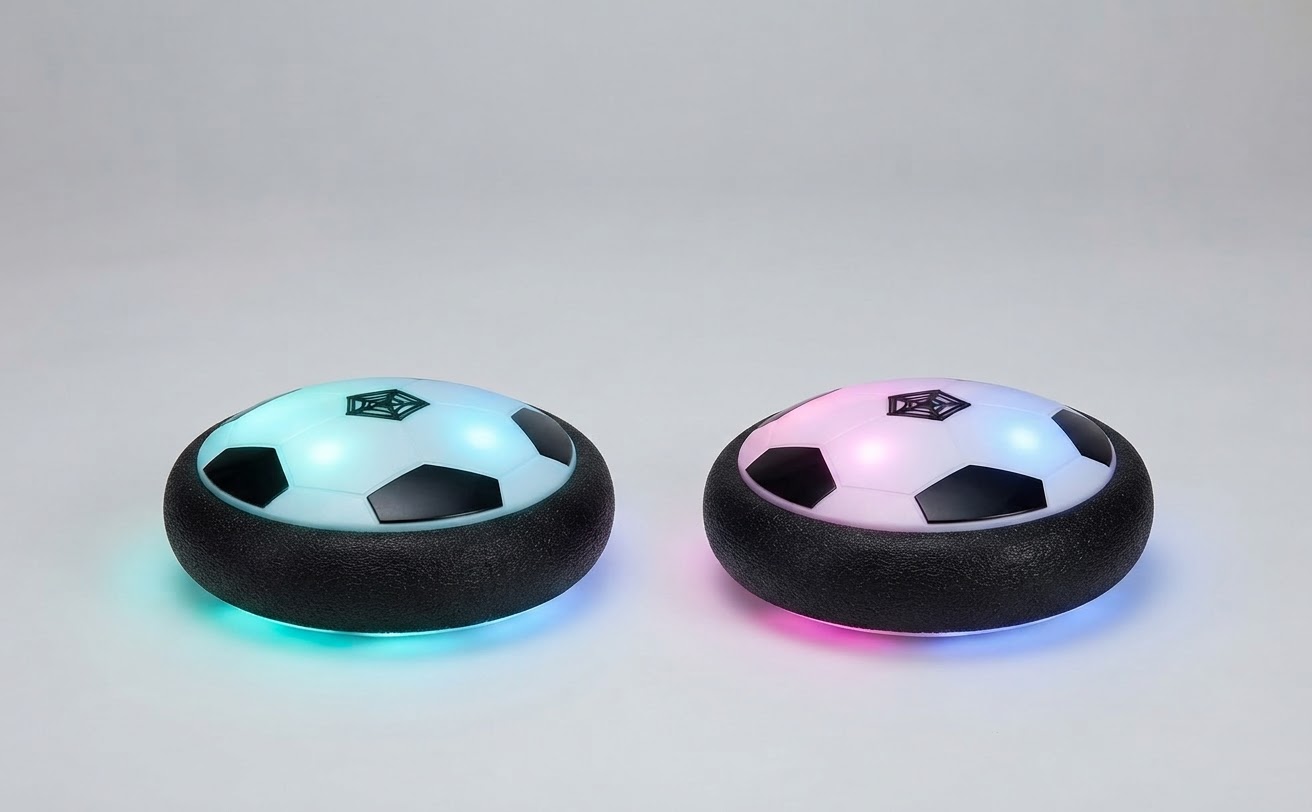
Hover toys that glide smoothly over flat surfaces eliminate high bounces while maintaining fast-paced excitement. Look for equipment powered for continuous play, offering BATTERY_RUN_TIME_HOURS of run time using 2-4 hours power. Dual LED illuminated items also transform low-light rooms into exciting play arenas without requiring outdoor space.
Building a Daily Indoor Play Routine
Consistency transforms indoor play from chaotic energy bursts into predictable daily balance. Establish fixed movement blocks during the day, such as a 30-minute active play break after school or structured family game nights on weekends.
By equipping your home with safe sports toys and clear boundaries, you create an environment where children thrive regardless of the weather outside.
Related in this cluster
- 10 Fun Indoor Movement Games for High-Energy Kids
- Why Physical Play Indoors Is Essential for Child Development
- How to Set Up a Safe Indoor Soccer Arena in Your Living Room
- Hover Soccer vs. Traditional Foam Soccer Balls for Indoor Play
- Glide Soccer Review: The Safe Indoor Hover Ball for Kids
- Indoor Hover Soccer Ball FAQ: Safety, Setup, and Battery Life