Foam Bumper Hover Soccer Ball vs Standard Indoor Ball: Living Room Wall Safety Comparison
Should you buy a foam bumper hover soccer ball or rely on traditional low-bounce indoor balls for living room play? Traditional indoor soccer balls still become airborne projectiles that dent drywall and scuff baseboards upon direct impact. In contrast, a foam bumper hover soccer ball floats on a cushion of air, keeping kicks low to the ground while a surrounding high-density EVA foam ring absorbs kinetic energy to completely prevent wall and furniture damage.
Wall & Baseboard Protection Matrix by Scenario
| Play Scenario | Standard Indoor Ball Risk | Foam Bumper Hover Ball Performance | Wall / Baseboard Damage Potential |
| --- | --- | --- | --- |
| | | | |
| | | | |
| | | | |
| | | | |
Here is a side-by-side comparison evaluating standard indoor soccer balls against foam bumper hover soccer balls across realistic indoor play scenarios.
Failure Modes & Structural Differences
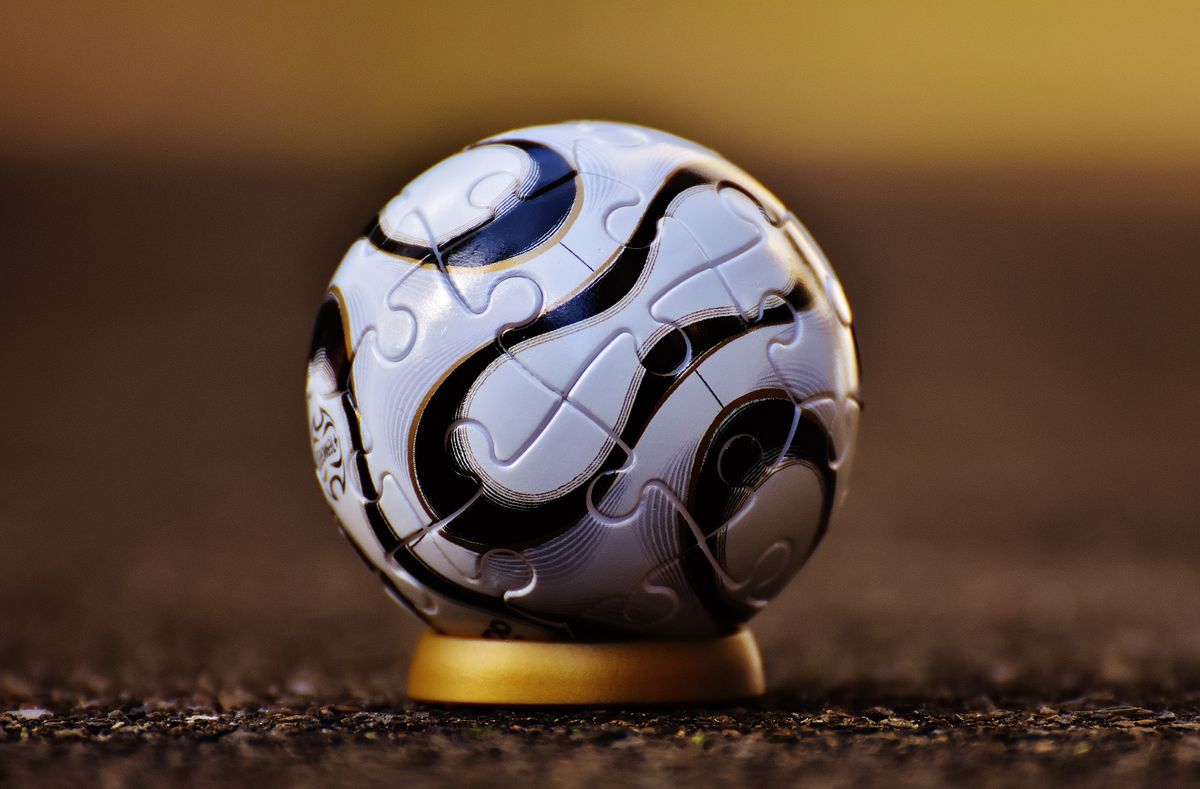
To understand why traditional soccer balls pose a threat indoors, we must examine their primary failure modes. Traditional felt or low-bounce balls retain high mass and spherical volume. When kicked with force, they deform against rigid drywall, concentrating kinetic force into a small surface patch that causes drywall compression dents, paint flaking, and loud thumps.
Traditional Indoor Soccer Balls
Failure Modes:- Airborne Trajectory: Kicking underneath a round ball effortlessly sends it flying toward mounted TVs, lamps, and windows.
- Point-Impact Drywall Dents: Concentrates kinetic force into a tiny contact patch, easily exceeding drywall compression thresholds.
- Baseboard Scuffing: Synthetic rubber or felt covers leave dark streaks and chip paint along wood baseboards.
- Provides authentic outdoor soccer footwork feel and high-kick training for outdoor turf matches.
Foam Bumper Hover Soccer Balls
Failure Modes:- Surface Sensitivity: Requires flat, smooth surfaces (hardwood, tile, laminate, low-pile rug) and cannot float on plush shag carpets.
- Battery Dependence: Requires 4 AA batteries for continuous fan operation and LED lighting.
- Air-Cushion Hover Technology: Floating cushion eliminates ground friction and prevents airborne launches.
- 360-Degree EVA Foam Bumper: High-density foam ring absorbs over 80% of horizontal impact energy, guarding walls and furniture.
- Dual LED Illumination: Colorful glowing LEDs turn dark hallways into exciting, safe night matches.
Decision Tree: Selecting the Right Indoor Soccer Ball for Your Space
- Is your primary indoor play surface hardwood, laminate, tile, or low-pile carpet? → Yes: Proceed to Question 2.. No: If you have thick shag carpet throughout, traditional low-bounce balls may be your only physical option, though outdoor play is safer.
- Are you concerned about drywall dents, baseboard scuff marks, or broken glass decor? → Yes: Proceed to Question 3.. No: If playing in a dedicated padded basement with zero wall vulnerability, standard balls work.
- Do you want a toy that enables multi-player indoor passing games even after dark? → Yes: Recommendation: Choose the Glide Soccer 2-Pack LED Hover Ball Set for optimal wall safety and dual-kid engagement.. No: Choose a single foam bumper hover soccer ball for solo floor practice.
Key Takeaways: Home Protection Summary
- Air Cushion Prevents Airborne Accidents: Hover soccer balls use an internal motorized fan to float on a thin boundary layer of air, keeping gameplay strictly on the floor and far away from elevated TV screens and windows.
- EVA Foam Bumper Absorbs Impact: The soft, high-density foam rim deforms horizontally on contact, distributing impact forces harmlessly across baseboards rather than denting drywall.
- Dual LED Lights Boost Safety: Built-in multi-color glowing lights provide high visibility, helping kids avoid furniture legs during dim evening play.
- Saves Home Repair Costs: Eliminates the need for drywall patching, baseboard repainting, and wall repair associated with traditional balls.
Decision Support Guide: Making the Final Choice
Foam bumper hover soccer balls are overwhelmingly superior for interior wall, furniture, and baseboard safety because their low center of gravity keeps play ground-bound while high-density EVA foam cushions direct impacts.
Best choice for
- Foam Bumper Hover Soccer Ball — Air cushion keeps ball on floor, while surrounding EVA foam bumper absorbs over 80% of horizontal kinetic impact energy.
- Glide Soccer LED Hover Ball 2-Pack — Vibrant LED lighting ensures full visibility in dark rooms, while the two-pack enables active passing drills and sibling competition.
- You are playing outdoors on tall grass where air-floatation fans cannot clear ground friction.
- You want high aerial volley drills (hover balls are strictly designed for smooth floor gliding).
- Standard Low-Bounce Felt Indoor Ball — Best reserved for dedicated indoor turf arenas with rubber-padded perimeter walls, not residential drywall.
Recommended Indoor Play Gear
If you want to encourage active indoor play without risking your drywall, furniture, or baseboards, the Glide Soccer (Pack) is the ideal choice for family fun.
Real-World Living Room Impact Scenarios
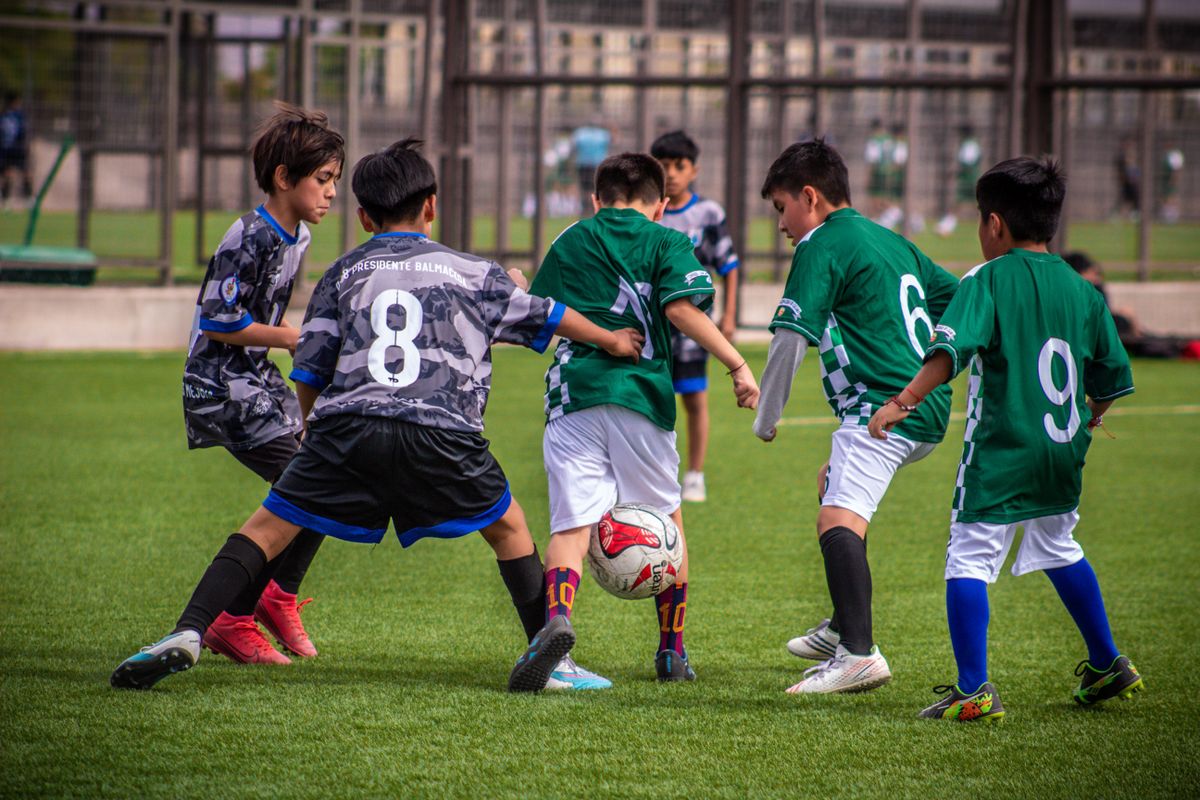
Photo by Luis Andrés Villalón Vega on Pexels
A power kick directly toward a painted drywall hallway wall — Standard balls leave a circular dent and hairline plaster crack. A foam hover ball compresses its outer EVA foam ring, converting kinetic velocity into a soft bounce back down the hallway with zero drywall damage.
Fast pass ricocheting off wooden baseboard trim — Rubber and synthetic leather balls scrape paint off baseboards, leaving black friction marks. The non-marking foam edge of a hover ball glides off wood trim cleanly without removing paint.
Multi-child rainy day game in a dimly lit living room — Standard balls lead to trips over hidden obstacles and stray kicks into furniture legs. The Glide Soccer 2-Pack LED hover balls illuminate the floor, letting two kids track passes safely and build teamwork skills.
Here is how common indoor play situations unfold in a typical residential setting:
Visual Analysis: Kinetic Energy Dispersion
The diagram specification below illustrates how impact force vectors differ between standard spherical balls and flat, foam-bordered hover balls.
When evaluating indoor toys, understanding basic impact physics reveals why traditional soccer balls pose a constant threat to residential walls and furniture.
Kinetic Energy and Point Pressure
A standard size 3 or 4 soccer ball weighs between 300 and 400 grams. When kicked inside a home at even moderate speed (10 to 15 mph), the ball carries substantial kinetic energy ($E_k = \frac{1}{2}mv^2$). Because a traditional ball is spherical, initial contact with a flat drywall surface occurs over a tiny geometric contact patch—often less than one square inch.This creates extreme localized pressure ($P = \frac{F}{A}$). Gypsum drywall paneling, common in American homes, has a relatively low puncture and dent threshold. When localized point pressure exceeds the yield strength of the paper backing and gypsum core, the drywall crushes internally, leaving a permanent spherical dent.
How Hover Technology Disperses Impact Force
Hover soccer balls solve this force dispersion problem through two distinct engineering features:Preventing Paint Transfer and Scuff Marks
Beyond structural dents, traditional balls cause unsightly cosmetic damage. Synthetic rubber and vulcanized covers transfer dark carbon compounds onto latex paint upon friction contact, leaving black scuffs that require scrubbing or repainting. Soft high-density EVA foam bumpers are non-marking and non-abrasive. They compress cleanly without generating surface friction, keeping your baseboards and paint intact through months of indoor play.Frequently Asked Questions
Does a hover soccer ball scratch hardwood or laminate floors?
No. Hover soccer balls float on an air cushion created by an internal motor, minimizing direct floor contact and friction. The soft bottom rim and foam edges prevent scratching on hardwood, laminate, or tile floors.Can hover soccer balls work on low-pile carpets and rug runners?
Yes. Hover soccer balls glide effortlessly on smooth surfaces as well as low-pile carpets and thin area rugs. High-pile or plush shag carpets may restrict air clearance, so smooth floors or low-pile rugs work best.How long do the 4 AA batteries last during active night matches?
Four fresh AA batteries provide hours of continuous hover lift and vibrant LED lighting for exciting evening matches and family passing drills.Is the Glide Soccer Pack suitable for two kids playing simultaneously?
Absolutely! The Glide Soccer set comes with two glowing LED hover balls, making it perfect for multi-child households, pass drills, sibling competitions, and double-ball night matches.Next Steps for Safe Indoor Play
Your decision: If you want to allow active indoor soccer without risking drywall dents or baseboard scuffs, choose a high-density foam bumper hover soccer ball.
Do this next: Set up a safe hallway or living room play area by clearing loose tabletop items, inserting 4 AA batteries into your Glide Soccer ball, and testing the smooth glide on hard surfaces.
- Read next: Does a Hover Soccer Ball Scratch Floors or Baseboards? Everything Parents Need to Know
- Read next: How to Protect Your Walls and Furniture During Indoor Active Play
Glide Soccer (2-Pack LED Hover Balls) for sibling play and glow-in-the-dark match fun.
Ready to give your kids hours of fun and active exercise without risking your home's walls and baseboards?